

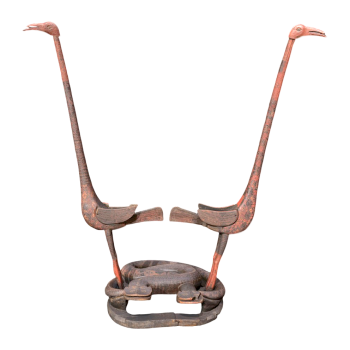
Crane and Snake
The artwork, titled "Crane and Snake", is from Changsha, Hunan Province, China, and belongs to the Warring States Period (475-221 BC) and the State of Chu (about 1046-223 BC). It is made of painted wood and has overall dimensions of 132.1 x 124.5cm (52 x 49 in). The artwork is currently in the collection of the Cleveland Museum of Art.

Tiger Phoenix Frame Hanging Drum
Cultural relics of Hubei Provincial Museum. Tiger Phoenix Hanging Drum, also known as Tiger Phoenix Hanging Drum or Tiger Bird Hanging Drum. Excavated from Tomb No. 2 of the Warring States Chu Dynasty in Jiuliandun, Hubei, it is a typical representative artifact of Chu musical instruments. This is one of the largest tiger shaped phoenix frame drums excavated from a Chu tomb in China. Its height is about 1 meter, with symmetrically arranged double phoenixes and double tigers as the drum frame. The base consists of two crouching tigers with their backs facing each other, with a phoenix standing on each tiger's back. The overall shape of the work is unique and elegant, with exquisite design, reflecting the designer's brilliant imagination and superb artistic expression, and possessing strong Chu cultural characteristics.

The Chu musical instrument "Tiger Seat Phoenix Frame Hanging Drum" from the Warring States period
Tiger Phoenix Frame Hanging Drum, also known as Tiger Phoenix Frame Hanging Drum or Tiger Bird Frame Drum. Excavated from Tomb No. 2 of the Warring States Chu Dynasty in Jiuliandun, Hubei, it is a typical representative artifact of Chu musical instruments. This is one of the largest tiger shaped phoenix frame drums excavated from a Chu tomb in China. Its height is about 1 meter, with symmetrically arranged double phoenixes and double tigers as the drum frame. The base consists of two crouching tigers with their backs facing each other, with a phoenix standing on each tiger's back. The Tiger Seat Phoenix Frame Hanging Drum was an important type of musical instrument in the Chu state during the Warring States period. It is a lacquerware from the Eastern Zhou Dynasty, unearthed from Tomb No. 2 of Jiuliandun in Zaoyang City, Hubei Province. It is an exquisite handicraft that combines lacquer, carving, and painting techniques organically.

Popular Models
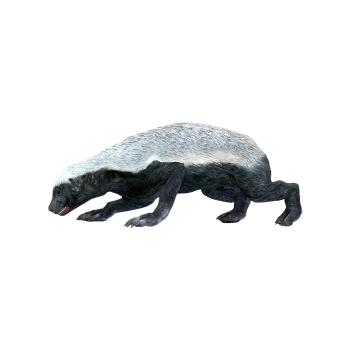
Honey Badger (3D animated model)
194 View
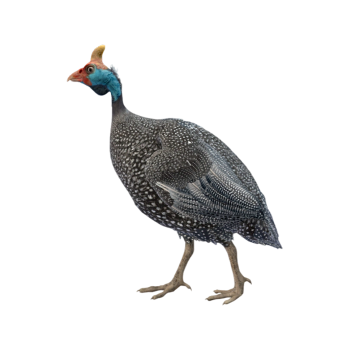
Guinea fowl (3D animated model)
165 View
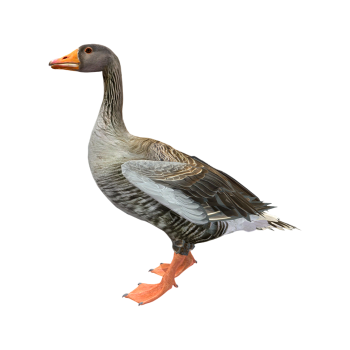
Wild Goose (3D animated model)
187 View
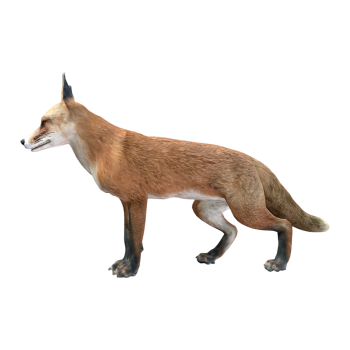
Red Fox (3D animated model)
155 View